






Understanding Allergen Labels
For someone with a food allergy, a clear and accurate ingredient label isn't just helpful — it's a matter of safety. Whether you are navigating the supermarket aisles or manufacturing food products yourself, understanding how allergen labelling works is absolutely essential. Here is a simplified guide to keeping food safe and compliant.
1. The 14 Major Allergens
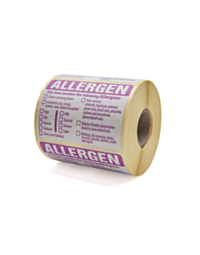
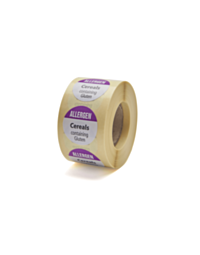
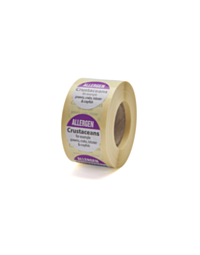
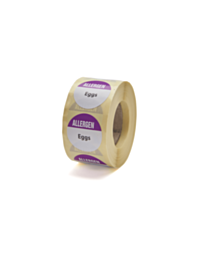
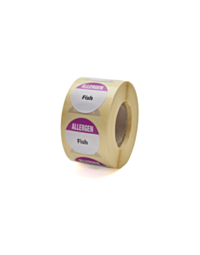
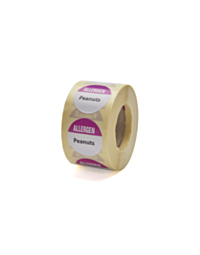
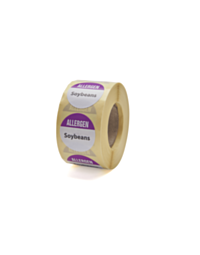
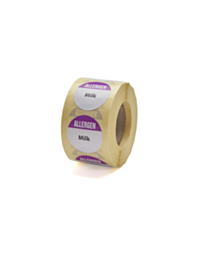
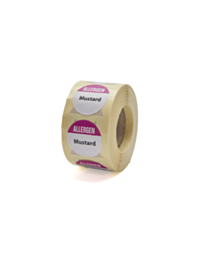
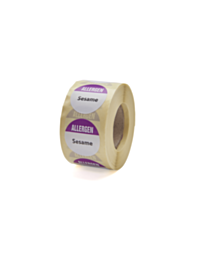
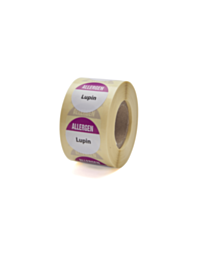
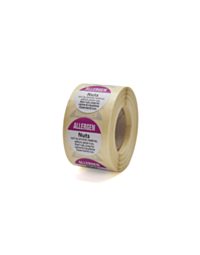
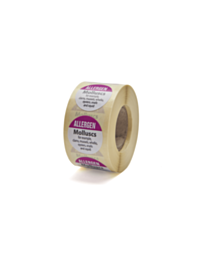
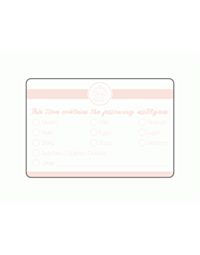
In the UK, food producers are legally required to clearly declare the presence of any of the 14 major allergens. This list includes common triggers like peanuts, tree nuts, milk, eggs, fish, shellfish, soy, wheat (gluten), and sesame.
When you read an ingredients list, these allergens must be emphasised so they stand out instantly. This is usually done by printing the allergen in a bold font, but it can also be highlighted or italicised.
2. Natasha's Law Explained
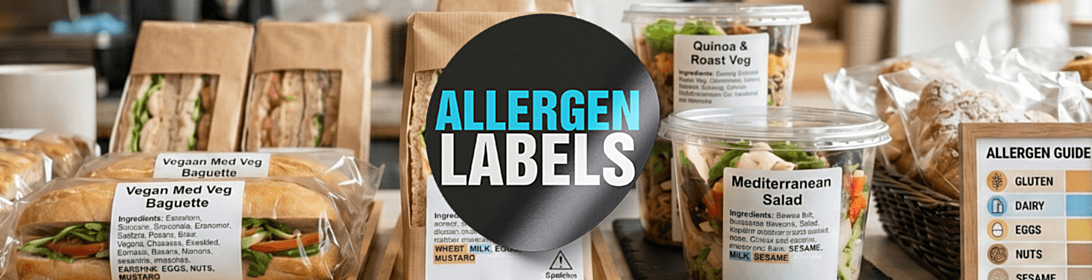
Introduced in 2021, Natasha's Law changed the way fresh food is packaged and sold. The law requires all food that is "Prepacked for Direct Sale" (PPDS) to display a full, complete ingredients list with all 14 major allergens clearly emphasised.
This means if a café makes a sandwich on-site, puts it in a box, and places it in a display fridge for a customer to grab, it must have a fully compliant allergen label. It removes the guesswork and ensures complete transparency for allergy sufferers.
3. Spotting Hidden Ingredients
Sometimes allergens hide behind scientific names or lesser-known by-products. For instance, you might not see the word "Milk," but you might see "Casein" or "Whey," which are milk proteins. Likewise, "Albumin" indicates the presence of egg.
This is why reading the label carefully (and ensuring your own labels are completely transparent) is so critical.
4. The "May Contain" Warning
You will often see phrases like "May contain traces of nuts" or "Manufactured in a facility that processes milk." These are advisory warnings about cross-contamination.
Even if nuts aren't an ingredient in your recipe, if they are handled in the same kitchen or factory, there is a risk that tiny trace amounts could find their way into the product. For someone with a severe allergy, this warning is just as important as the main ingredients list.
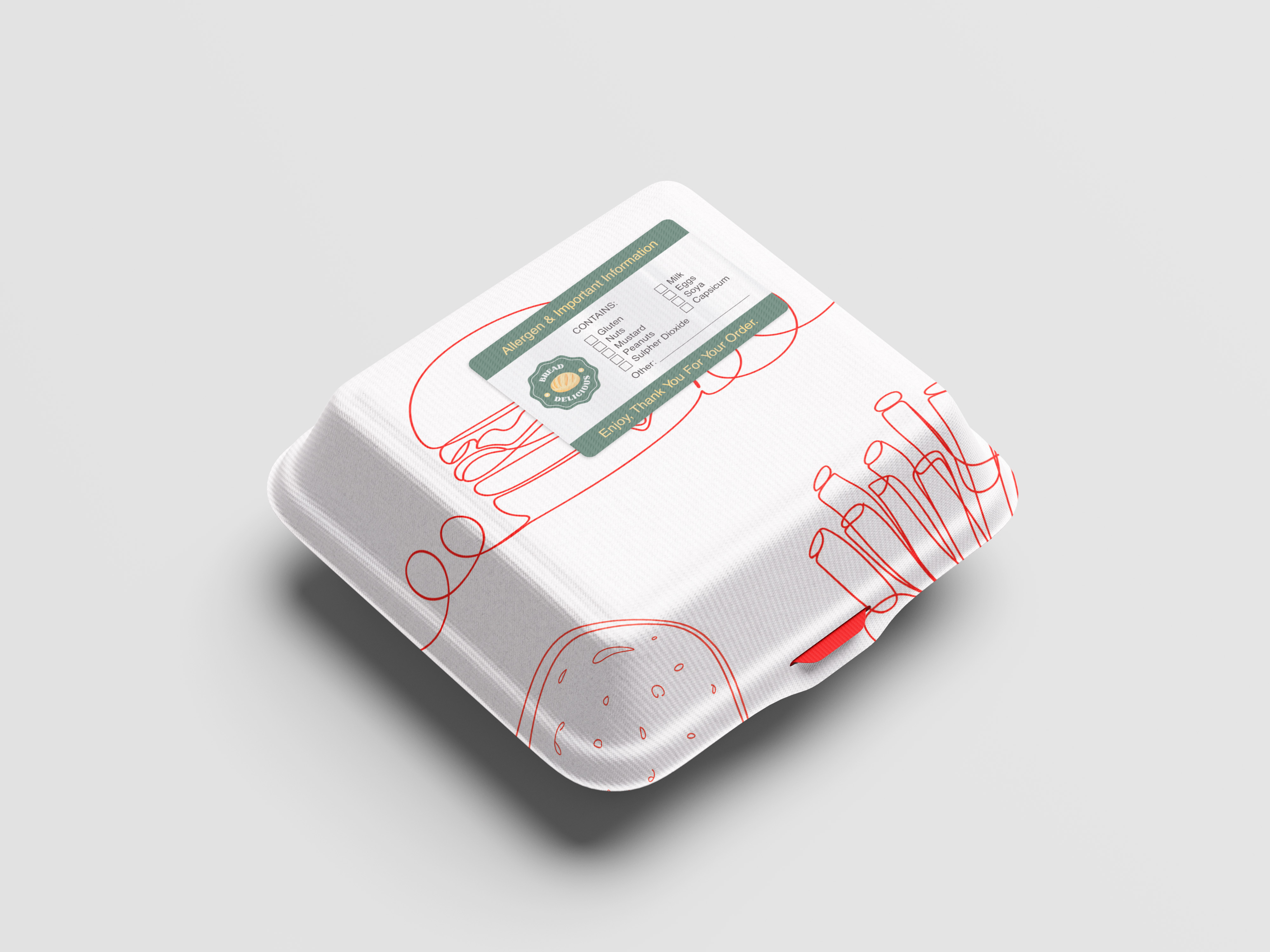
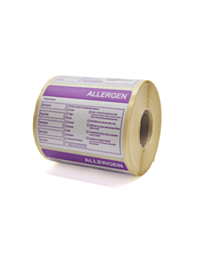
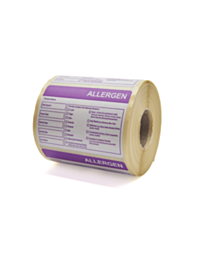
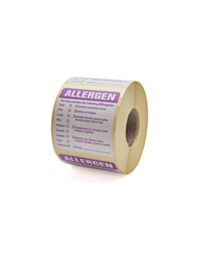
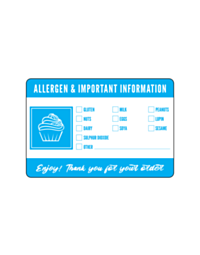
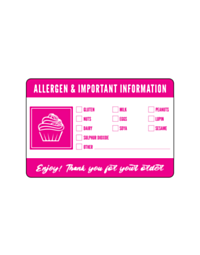
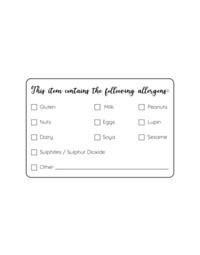
Need to ensure your food packaging is fully compliant? We print bold, clear, and professional food labels.
Shop Custom Food Labels